Key Takeaways
-
- Typical Lifespan: A properly installed PVC roof can last between 20 to 30 years, with some systems performing for nearly 40 years under ideal conditions.
-
- Core Strengths: PVC roofing is known for its durability, chemical resistance, and fire resistance. Its heat-welded seams create a strong, watertight bond that prevents leaks.
-
- Key Factors: The actual lifespan of a PVC roof depends on the quality of installation, local climate, maintenance practices, and the amount of foot traffic it endures.
-
- Superior to Alternatives: Compared to TPO and EPDM, PVC often offers a longer service life and better resistance to chemicals and seam failure.
-
- Maximize Your Investment: You can extend your roof’s life with regular inspections, prompt repairs, clear drainage, and by using an experienced, specialized contractor.
Why a Roof’s Lifespan Matters for Your Business
When business owners or facility managers choose a roofing system, the question at the top of the list is almost always: How long will it last? A roof isn’t just another line item on the budget — it’s a major investment that protects every asset beneath it. Choosing the wrong system can mean costly repairs, disruptive leaks, and early replacement. Choosing the right one can give you decades of peace of mind.
PVC roofing (short for polyvinyl chloride) has become a popular single-ply membrane for commercial and industrial buildings. It’s praised for its durability, energy efficiency, and resistance to chemicals and fire. But the big question remains: how many years of reliable service can you really expect from a PVC roof?
The Average Lifespan of a PVC Roof
A well-installed PVC roof typically lasts 20 to 30 years. Under the right conditions, some systems even stretch closer to 40 years. That puts PVC among the longest-lasting single-ply roofing systems available.
This impressive lifespan comes from the material’s unique properties. PVC is flexible, so it can expand and contract with seasonal changes without cracking. It resists fire and many industrial chemicals that can break down other membranes. Perhaps most importantly, PVC roofs are heat-welded at the seams, creating a strong, watertight bond. Unlike glued or taped seams, welded seams don’t peel apart over time, giving the system superior leak resistance.
To put this into perspective, many business owners find that a PVC roof outlasts the warranties on their mechanical equipment, meaning the roof keeps going strong long after other building systems need replacement.
5 Factors That Impact PVC Roof Longevity
While PVC roofing has the potential to last 30+ years, its real-world lifespan depends on several factors:
1. Quality of Installation
Even the best materials can fail if installed poorly. Properly welded seams, secure attachment, and careful flashing work all make a huge difference. A roof installed by an experienced contractor will almost always outlast one done by a cut-rate installer.
2. Climate and Environment
PVC performs well in hot, sunny climates thanks to its UV resistance. It also holds up to chemicals, which makes it a great choice for restaurants and manufacturing facilities. Still, extreme weather takes a toll. Frequent hailstorms, heavy snow loads, or hurricane-force winds can shorten the lifespan if the system isn’t designed and installed to handle those conditions.
3. Maintenance Practices
A PVC roof doesn’t demand constant attention, but ignoring it entirely can shorten its life. Something as simple as clogged drains can lead to ponding water, which stresses seams and accelerates wear. Regular inspections — ideally twice per year — catch these issues early.
4. Roof Usage and Foot Traffic
Some roofs are quiet, while others serve as “rooftop highways” for HVAC techs and maintenance crews. Excessive foot traffic, dropped tools, or moving equipment can damage the membrane. Walk pads and restricted access help prevent unnecessary wear.
5. Design Details
The slope, drainage design, and number of roof penetrations (vents, skylights, HVAC curbs) all influence how long a roof lasts. Fewer penetrations and proper slope generally mean fewer potential weak points.
How PVC Compares to Other Commercial Roofing Materials
If you’re evaluating options, it helps to see how PVC stacks up against common alternatives:
TPO (Thermoplastic Polyolefin):
TPO is a popular competitor to PVC. It’s lightweight and energy-efficient, but its track record is shorter since it’s a newer product. Lifespan typically ranges from 15–25 years, which is less than PVC on the high end.
EPDM (Ethylene Propylene Diene Monomer):
Often called “rubber roofing,” EPDM is known for UV resistance. However, its seams are typically glued or taped, which can be less reliable than PVC’s welded seams. EPDM roofs usually last 20–25 years.
Modified Bitumen:
This asphalt-based system is durable but often labor-intensive to install. It has a lifespan of 15–20 years before major repairs or replacement are needed.
Bottom line: While all of these systems can perform well, PVC consistently offers superior chemical resistance, seam strength, and long-term durability. For owners planning to stay in their building for decades, PVC often provides the best value.
Telltale Signs Your PVC Roof Needs Replacement: A Real-World Example
Consider a warehouse in the Midwest that installed a PVC roof in the early 1990s. With routine inspections and minor repairs, that same roof is still performing today — more than 30 years later. On the other hand, neighboring buildings with modified bitumen roofs have gone through at least two replacements in the same time span.
These real-world outcomes highlight the importance of both choosing PVC and committing to basic maintenance. The investment pays off in fewer disruptions, lower long-term costs, and confidence that your building is protected.
Signs a PVC Roof May Need Replacement
Even the best roof eventually reaches the end of its life. Watch for these warning signs:
- Frequent leaks despite repeated repairs.
- Ponding water that doesn’t drain after rain
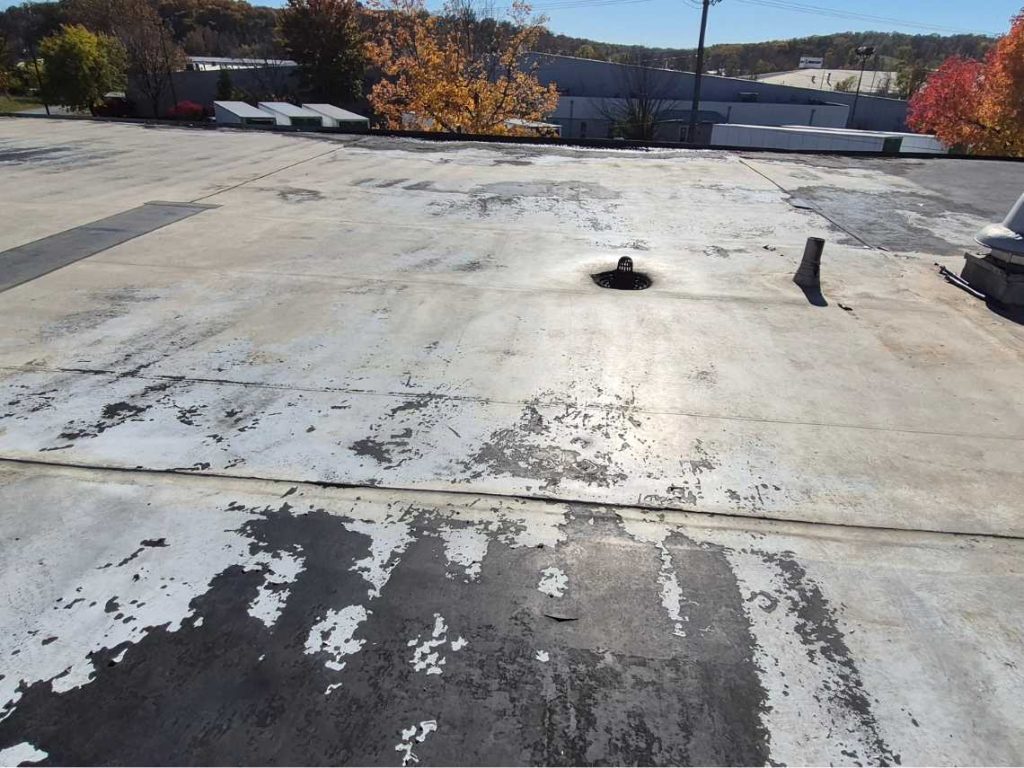
- Cracks, shrinking, or brittleness in the membrane.
- Seams failing even after patching.
- Excessive patchwork repairs that suggest underlying issues.
If you notice several of these issues at once, it may be more cost-effective to replace the roof than to continue patching it.
How to Maximize Your PVC Roof’s Lifespan
A PVC roof is low-maintenance, but a few simple steps can add years to its service life.
- Schedule Biannual Inspections: Have a professional inspect your roof in the spring and fall to catch small issues before they escalate.
- Check After Major Storms: High winds or hail can cause damage. A quick check ensures any storm-related problems are addressed promptly.
- Keep Drainage Clear: Clean your gutters, scuppers, and drains to prevent ponding water, which is a primary cause of premature aging.
- Protect High-Traffic Areas: Install walkway pads where technicians frequently access rooftop equipment to prevent punctures and wear.
- Repair Damage Quickly: Small punctures or seam issues can be fixed easily with a quick weld. If left alone, they can expand and lead to significant water damage.
Think of these steps as routine checkups for your roof—small investments that pay big dividends in longevity.
Why Longevity Matters to Your Bottom Line
The lifespan of your roof isn’t just about avoiding leaks — it directly impacts your bottom line. A roof that lasts 30 years versus 20 years spreads your investment over an extra decade. That means fewer replacements, less downtime for your business, and lower long-term costs.
PVC also offers indirect savings. Its reflective surface reduces heat absorption, which can lower cooling costs during hot months. Over time, these savings compound, making the investment even more worthwhile.
For property managers, facility directors, and business owners, choosing PVC isn’t just about durability — it’s about protecting the budget, the building, and the people inside.
PVC roofing is one of the most durable commercial roofing systems on the market, often lasting 20–30 years or more with proper care. It outpaces many alternatives in terms of seam strength, chemical resistance, and overall reliability.
If you’re planning a roof replacement or evaluating your building’s current system, PVC deserves a close look. With professional installation and basic maintenance, it’s a choice that delivers long-term protection and peace of mind.
Want to know if PVC is the right fit for your property—or find out how much life your current roof has left? Contact our team today to schedule an inspection and talk through your options.
Frequently Asked Questions About PVC Roofing
- Is PVC roofing expensive compared to other options?
PVC roofing can have a higher upfront cost than materials like TPO or EPDM. However, its longer lifespan, lower maintenance needs, and potential energy savings often result in a lower total cost of ownership over the life of the roof. - Can you repair a PVC roof?
Yes, PVC is highly repairable. Punctures, tears, or open seams can be cleaned and heat-welded with a new piece of PVC membrane, creating a permanent, watertight patch that fuses with the original roof. - Is PVC roofing a good choice for restaurants?
Absolutely. PVC is exceptionally resistant to animal fats, oils, and grease vented from kitchen exhaust systems. This makes it a top choice for restaurants and food processing facilities, as these substances can degrade other types of roofing membranes. - How does a PVC roof hold up in hail?
PVC roofing offers good impact resistance. The specific performance in a hailstorm depends on the thickness of the membrane and the reinforcement fabric used. Thicker membranes (e.g., 80-mil) provide greater protection against hail damage compared to standard 50 or 60-mil options. - Does the color of a PVC roof affect its lifespan?
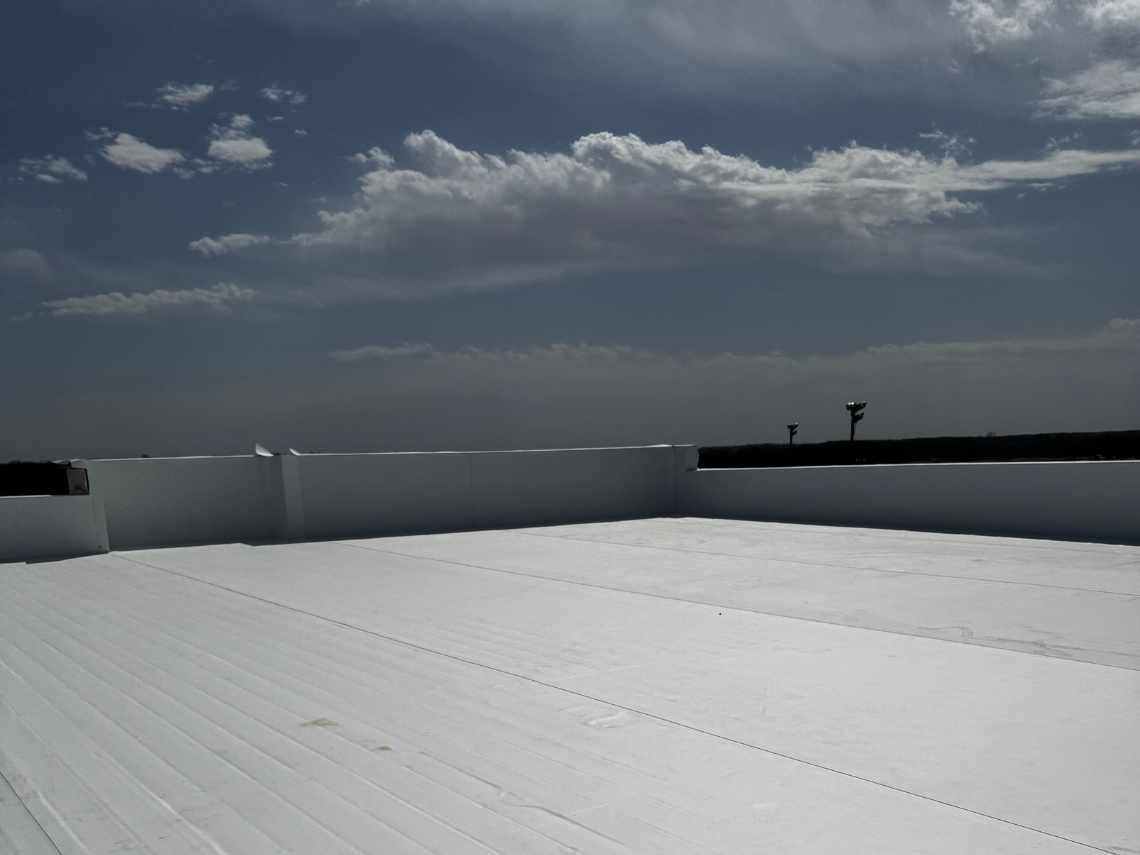
White is the most common color for PVC roofs because it is highly reflective, which keeps the building cooler and reduces UV degradation of the membrane. While other colors are available, they are less reflective and may not offer the same level of energy savings or longevity as a standard white roof.