Key Takeaways
- Ponding Water is a Red Flag: If water sits on your roof for more than 48 hours after rain, it’s a sign of poor drainage that can lead to significant damage.
- Inspect the Membrane Surface: Look for blisters, bubbles, or cracks. These indicate that the roofing material is failing and losing its adhesion, creating weak spots for leaks.
- Don’t Ignore Interior Signs: Ceiling stains, musty odors, or bubbling paint are late-stage indicators that water has already penetrated your roof and is causing damage inside.
- Check Flashings and Seals: Most leaks start at penetrations like vents, skylights, and HVAC units. Loose or cracked seals in these areas are common and require immediate attention.
- Know Your Roof’s Age: If your roof is approaching the 20-year mark, it’s time for a professional inspection, even if there are no visible leaks. Proactive assessment can prevent a sudden, catastrophic failure.
Catching Roof Problems Before They Become Disasters
If you own or manage a commercial building, your roof is one of your most critical assets—and one of the easiest to overlook. Flat roofs often perform their job quietly for years, until suddenly they don’t. By the time leaks appear inside your building, the damage beneath the surface is often already extensive and expensive to fix.
The good news is that most major roofing issues start small. If you know what to look for, you can catch these warning signs early, schedule timely repairs, and avoid the kind of costly emergencies that shut down operations or disrupt tenants.
Below are the top five warning signs that your flat roof is due for a professional repair.
1. Ponding Water That Lingers for Days
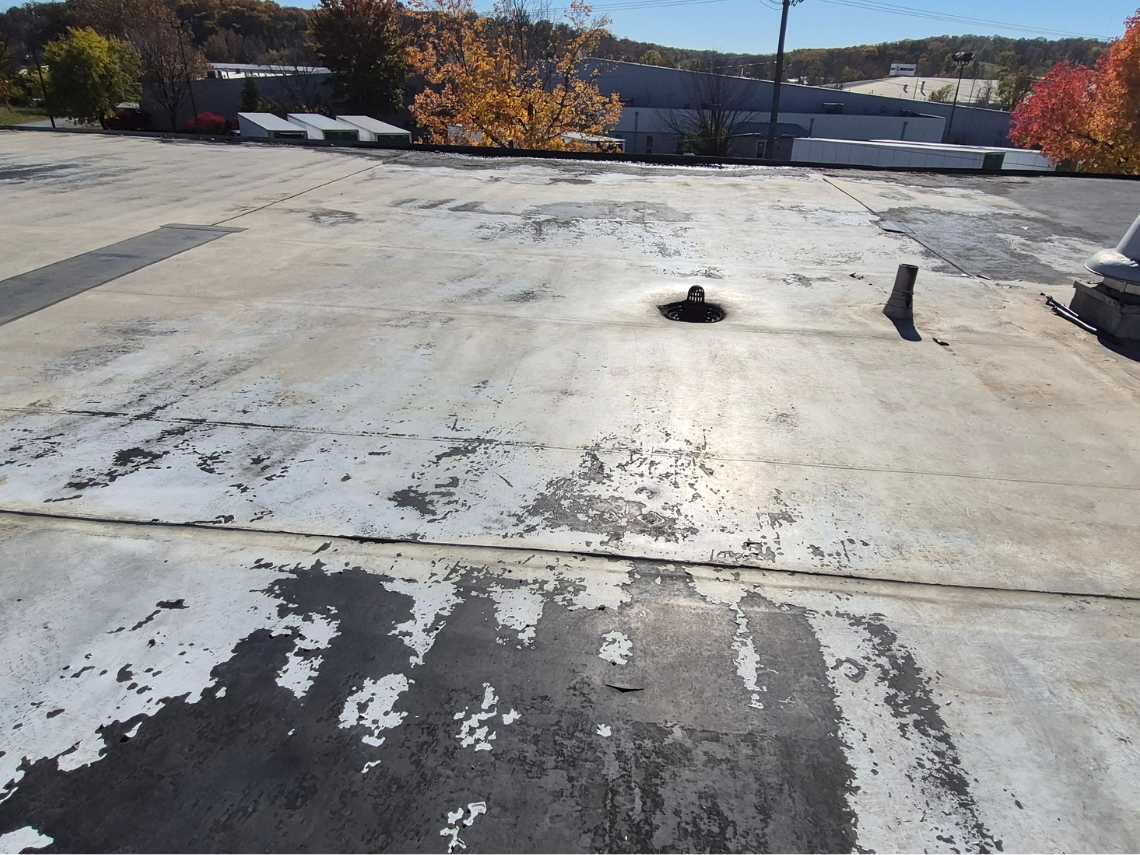
A well-designed flat roof should drain completely within 24 to 48 hours after a heavy rain. If you notice puddles that stick around for days, that’s more than just a minor annoyance—it’s a clear structural warning sign. The excess weight from standing water puts immense stress on the roofing membrane and its seams, accelerating wear and leading to premature failure.
In Missouri, our freeze-thaw cycles make this problem even worse. Water trapped on the surface can seep into small cracks, freeze overnight, and expand. This repeated movement forces seams apart and can even warp the insulation boards below, compromising your building’s thermal protection. A professional can assess not just your drains, but also for any sagging in the roof deck itself.
2. Blisters, Bubbles, and Cracks in the Membrane
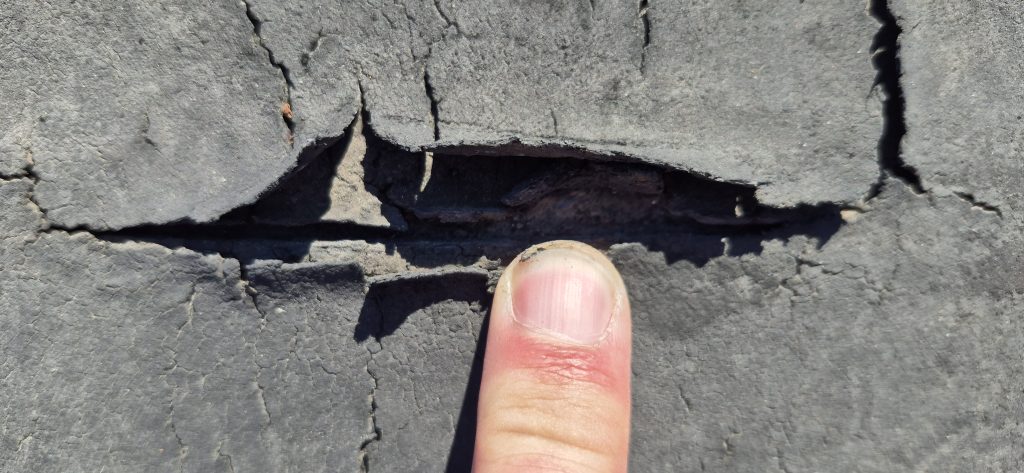
Your roof’s membrane is designed to expand and contract with temperature swings. However, if air or moisture gets trapped between the layers of material, it can create visible blisters or bubbles. These are clear signs that the membrane’s adhesion has failed.
While common in older built-up roofs, these issues also appear in modern single-ply systems like TPO and EPDM as they age. Small blisters can often be repaired if caught early. But once they pop or crack open, they become a direct entry point for water, allowing moisture to spread rapidly throughout the roofing system. These are not just “cosmetic” issues; they are critical weak points that demand professional attention.
3. Interior Leaks, Ceiling Stains, or Musty Odors
By the time you see evidence of a leak inside your building, the problem is already advanced. A water stain on a ceiling tile or a persistent musty odor might trace back to a small puncture many feet away on the roof. Water can travel a long distance along the roof deck and structural supports before it finally drips into your workspace.
Guessing the source of an interior leak rarely works. Professionals use tools like infrared moisture scanners to pinpoint the exact location of water intrusion with accuracy. This diagnostic approach prevents a frustrating and costly cycle of “chasing leaks” and ensures the correct area is repaired. If you notice discoloration, bubbling paint, or soft drywall, it’s time for immediate action.
4. Loose Flashings and Failed Seals Around Penetrations
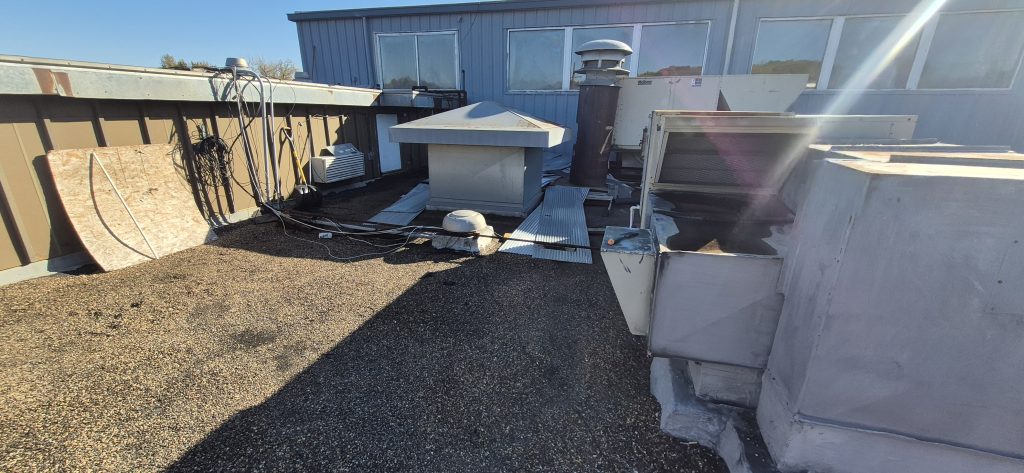
The majority of flat roof leaks start where something penetrates the roof surface. These areas include:
- Vents and pipes
- Skylights
- HVAC curbs and equipment supports
- Rooftop hatches
The metal flashings and sealants used to waterproof these areas are your first line of defense, but they don’t last forever. Constant UV exposure and thermal cycling cause sealants to dry out, shrink, and crack. These small separations become a favorite entry point for water. A key part of any good maintenance plan is to regularly inspect and re-seal these vulnerable spots before they have a chance to fail.
5. Visible Aging and General Wear and Tear
Every roofing system has a finite lifespan. Most commercial flat roofs are designed to last between 20 and 30 years, depending on the material, climate exposure, and maintenance history. If your roof is approaching this age range, it deserves close attention.
Common signs of an aging roof include:
- Open seams or exposed reinforcement scrim (the fabric grid within the membrane).
- Significant granule loss on modified bitumen or built-up roofs.
- Chalking, discoloration, or obvious shrinkage of single-ply membranes like TPO or EPDM.
- Loose or backed-out fasteners along the roof’s perimeter or at penetrations.
Even if it isn’t leaking yet, an old roof is living on borrowed time and can fail suddenly during extreme weather. A professional condition report helps you plan for the future, allowing you to budget for major repairs or a phased replacement instead of reacting to an emergency.
What Happens If You Ignore These Signs?
Flat roofs rarely fail all at once; they deteriorate silently over time. The longer a problem like water or air infiltration goes unaddressed, the more complex and expensive the solution becomes.
Ignoring these warning signs can lead to:
- Saturated insulation, which loses its R-value and drives up energy costs.
- Hidden structural damage to the underlying roof deck.
- Mold growth and poor indoor air quality from trapped moisture.
- A voided manufacturer’s warranty due to neglect.
- Significant business interruption if a major leak affects occupied spaces.
Proactive maintenance costs far less than reactive emergency repairs. A professional inspection is a small investment that provides invaluable peace of mind.
Frequently Asked Questions About Flat Roof Repair
1. How can I tell if ponding water is a serious problem?
The industry standard is that any water remaining on a roof 48 hours after rainfall is considered ponding water. If you see persistent puddles, it’s a sign of a drainage issue that needs to be addressed by a professional to prevent accelerated aging and leaks.
2. Are blisters on a roof always an emergency?
Not always, but they should never be ignored. A small, intact blister may not be an immediate threat, but it indicates a loss of adhesion that will worsen over time. It’s best to have it inspected by a professional who can determine if it can be repaired or if it’s a sign of a more widespread system failure.
3. Can I fix a small leak in my flat roof myself?
DIY repairs on commercial flat roofs are strongly discouraged. Applying the wrong sealant can actually make the problem worse or interfere with a future professional repair. Commercial roofing systems require specialized materials and techniques, especially for heat-welded seams, to ensure a durable, watertight fix.
4. How much does a professional flat roof inspection cost?
The cost can vary depending on the size and complexity of the roof, but it is a minor expense compared to the potential cost of an emergency repair or premature replacement.
5. If my roof is old but not leaking, should I still get it inspected?
Yes. An aging roof can have hidden issues like brittle materials or failing seams that aren’t visible from the ground. A professional inspection provides a comprehensive condition report, giving you a clear idea of the roof’s remaining lifespan so you can budget for future replacement instead of being caught by surprise.