
Key Takeaways
- Thermal Shock: Extreme temperature shifts cause commercial roofing membranes to expand and contract, leading to stress and potential cracking over time, especially on aging systems.
- Heavy Snow Load: Accumulated wet snow adds immense weight to a flat roof, posing a structural risk. Drifts can create concentrated loads that may lead to sagging or failure.
- Ice Dams: When melting snow refreezes at the roof edge, it blocks proper drainage. This forces water under the roofing membrane and flashings, causing interior leaks.
- Proactive Maintenance is Key: Regular inspections, debris removal, and prompt repairs are critical to preventing minor winter issues from becoming costly, catastrophic failures.
- Professional Intervention: A comprehensive maintenance plan and professional snow removal are essential for managing winter risks and extending the useful life of your commercial roof.
Few of us welcome the bitter conditions that arrive during wintertime, but we are fortunate to have well-built structures to keep us dry and warm. That is, until something goes wrong and Mother Nature makes its way inside. Roofs can take a beating during the winter months in several ways. Fortunately, there are several steps you can take to prevent failing winter roofs from impacting your business and your wallet.
The Damaging Effects of Thermal Shock
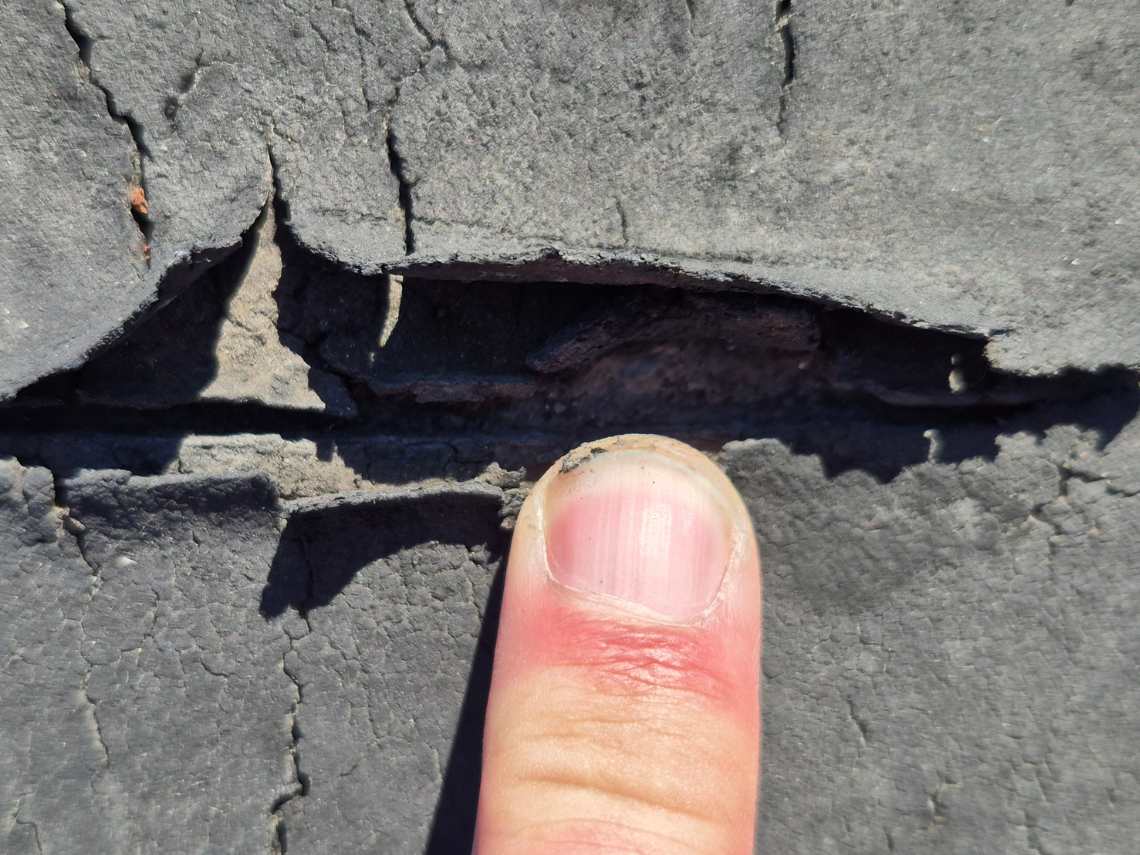
When there are extreme shifts in temperature, the impact on a commercial roof can be severe. A wide swing between a frigid nighttime low and a warmer daytime high creates stress on your entire building envelope, causing materials to expand and contract. This phenomenon is known as thermal shock.
Commercial roofing membranes, such as EPDM, TPO, and PVC, are engineered to handle these conditions. However, their resiliency will deteriorate over time. As a roof ages, its ability to withstand thermal shock without damage lessens, leading to brittleness and an increased risk of cracking. Minor damage from thermal stress can be repaired, which is why it is vital to have frequent, professional inspections to identify these vulnerabilities before they lead to a leak.
The Dangers of Heavy Snow Accumulation
A single snowflake may be light, but inches or feet of accumulated snow create a heavy, serious issue for a commercial roof. Wet, heavy snow that piles up can quickly exceed a roof’s designated load capacity, creating a dangerous overload issue. This not only damages the roofing system but also presents a significant safety concern.
According to FEMA, you should immediately evacuate your building if you hear or see any of these warning signs of a structural overload:
- Sagging ceiling tiles or structural boards
- Bowing sprinkler heads or lines
- Visible sagging of the roof deck from the interior
- Unusual cracking, popping, or creaking noises
- Windows and doors that suddenly become difficult to open or close
- New cracks appearing in masonry or interior walls
- Severe roof leaks
A flat roof is equipped with a drainage system, but this is ineffective against unmelted snow. It is essential to have a professional snow removal plan in place. Just a few inches of snow can be blown by the wind into large drifts, putting immense weight on one specific area of your roof. If snow removal becomes necessary, always hire a professional service that can accomplish the task without causing injury or damaging the roofing membrane.
The Formation of Destructive Ice Dams
One of the greatest risks to a commercial roofing system during the winter is the formation of ice dams. This occurs when heat escaping from the building melts the snow on the roof from the bottom up. The meltwater runs down the roof surface until it reaches the cold edge, where it refreezes, forming a dam of ice.
Subsequent meltwater gets trapped behind this dam, creating a pool of standing water. This water bypasses the gutter system and can be forced up and under flashings and membrane seams, leaking directly into your building.
The primary cause of ice dams is a drainage system that cannot function as designed due to debris. Your first and most important preventative step is to ensure all debris is removed from the roof surface, gutters, scuppers, and downspouts. This ensures a clear path for meltwater to escape. For added protection, heat cables can be installed in gutters and drains to prevent ice accumulation.
Your Proactive Winter Roofing Strategy
As the age-old saying goes, an ounce of prevention is worth a pound of cure. You can take several steps to ensure that your roof is ready for winter and minimize the impact that Mother Nature can have on your building.
First, perform a comprehensive inspection of your roof at least twice per year, specifically before winter arrives. Have the roof professionally inspected for potential trouble spots such as ponding water, separated seams, or damaged flashings, and complete all necessary repairs. Keep the building’s gutters and drains clear of all debris to prevent the formation of ice dams. If it’s time for a reroof, consider a reflective membrane to help reduce the severity of thermal shock.
At All Seasons Roofing, we specialize in the repair, replacement, and maintenance of commercial flat roofing systems. We understand the challenges winter roofs face in Central Missouri. Our Annual Flat Roof Maintenance Program can not only help you avoid costly issues but also significantly extend the useful life of your roof.

Frequently Asked Questions (FAQ)
1. How can I tell if my commercial roof has suffered winter damage?
After a severe winter weather event, look for signs like new or worsening leaks, visible cracks or splits in the roofing membrane, and sagging areas on the ceiling. A professional inspection is the best way to identify less obvious damage, such as delaminated seams or compromised flashings.
2. Is it safe for my maintenance staff to remove snow from the roof?
We strongly advise against it. Walking on a snow-covered roof is extremely hazardous, and using improper tools like metal shovels can easily puncture the roofing membrane. Professional roofing contractors have the safety equipment and specialized tools to remove snow without causing damage.
3. What is included in a professional winter roof inspection?
A professional inspection includes a detailed assessment of the membrane for cracks or punctures, an examination of all seams and flashings, a check for signs of moisture intrusion, and a thorough cleaning of all drains, scuppers, and gutters to ensure proper function.
4. Can roof repairs be made during the winter?
Yes, but it depends on the weather conditions and the type of repair. Certain adhesives and sealants have temperature limitations. However, temporary emergency repairs can almost always be performed to stop active leaks until a permanent solution can be implemented in more favorable weather.
5. How does a maintenance plan help prevent winter roof damage?
A proactive maintenance plan ensures that your roof is in optimal condition before winter begins. By identifying and repairing minor issues in the fall, clearing all drainage systems, and having a plan in place for severe weather, you minimize the risk of snow and ice causing a major failure.

