Key Takeaways
- Common Issues: TPO roofs often need repairs due to seam failures, punctures from foot traffic, flashing issues around penetrations, and general wear from UV exposure.
- Viable Repair Options: Most TPO issues can be fixed. Common solutions include heat-welding patches for punctures, rewelding separated seams, and applying protective coatings to aging membranes.
- Repair vs. Replace: Repairs are ideal for younger roofs (under 15 years) with localized damage. Replacement is better for older roofs (over 20 years) with widespread issues, brittleness, or saturated insulation.
- Maintenance is Crucial: You can prevent many costly repairs with a proactive maintenance plan that includes regular inspections, clear drains, and prompt fixes for minor issues.
Why TPO Roof Repair Matters for Your Business
Thermoplastic polyolefin (TPO) roofing has become one of the most popular single-ply systems for commercial buildings in Missouri and beyond. Its white, reflective surface helps cut energy costs, and its lightweight design makes installation more affordable than many alternatives. But like any roofing system, TPO isn’t invincible. Over time, seams can loosen, punctures can happen, and repairs become necessary.
As a building owner or facility manager, knowing when and how TPO roofs can be repaired is crucial. A timely, professional repair can extend the life of your roof by years and save you thousands of dollars compared to a premature replacement.
Common TPO Roof Problems to Watch For
Understanding what can go wrong with a TPO roof helps you spot issues before they escalate into major water damage. The most common repair needs include:
- Seam Failures: TPO membranes are heat-welded together at the seams. However, poor installation techniques or years of thermal expansion and contraction can cause these seams to separate and create entry points for water.
- Punctures and Tears: Heavy foot traffic from HVAC technicians, dropped tools, or sharp storm debris can easily puncture or tear the membrane.
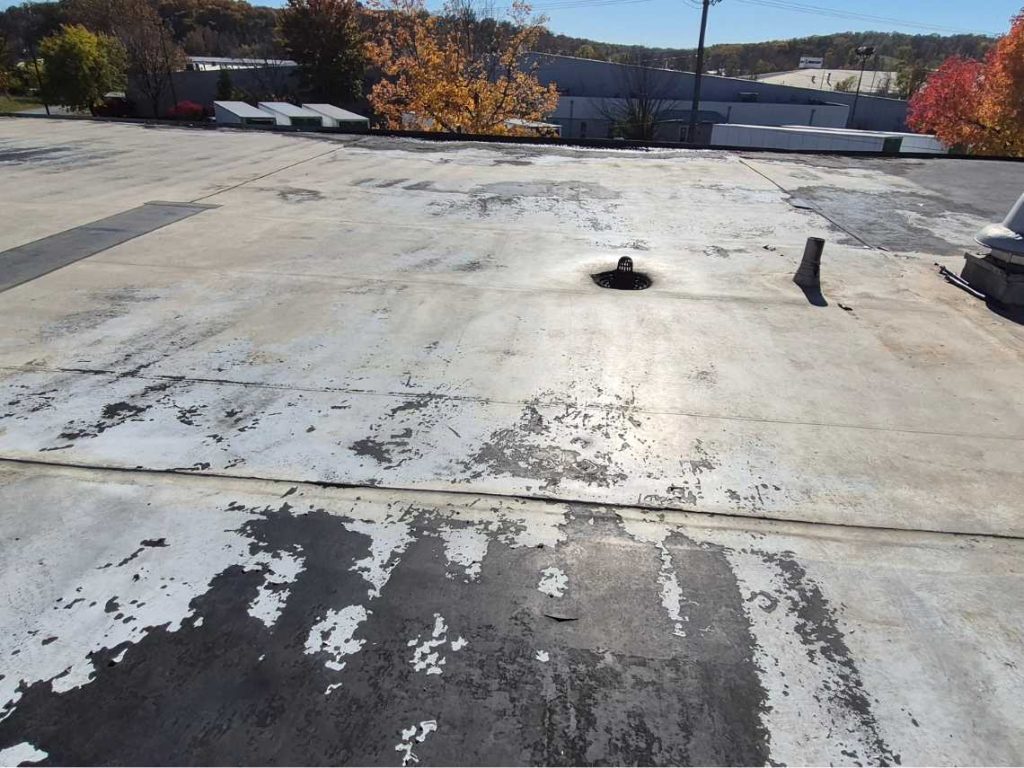
- UV Degradation: After many years of exposure to harsh sun, the top layer of the TPO membrane can become brittle and more susceptible to cracking.
- Pooling Water: Improper roof slope or clogged drains and scuppers can lead to standing water. This excess weight puts stress on seams and can accelerate the breakdown of the membrane.
- Flashing Issues: The areas around roof penetrations—like HVAC units, vents, or skylights—are common weak points. If the flashing isn’t installed perfectly, it can pull away and cause persistent leaks.
These problems don’t automatically mean your entire roof needs to be replaced. In many cases, targeted repairs can restore its performance and integrity.
Effective Repair Options for TPO Roofs
When it comes to TPO roof repair, building owners have several effective options, depending on the issue.
- Patches for Punctures and Tears: Small punctures can be permanently repaired. A technician will clean the damaged area, apply a primer, and then heat-weld a new piece of TPO material over the hole. This creates a strong, watertight seal.
- Seam Rewelding: If seams have started to separate, a qualified roofer can often clean the area, reheat the membrane, and re-weld the seam. For added security, a reinforcement strip of TPO can be welded over the original seam to improve long-term durability.
- Flashing and Penetration Repairs: Cracks or gaps around roof penetrations are fixed by installing new flashing membranes. These pieces are carefully cut and welded into place to create a seamless barrier against water intrusion.
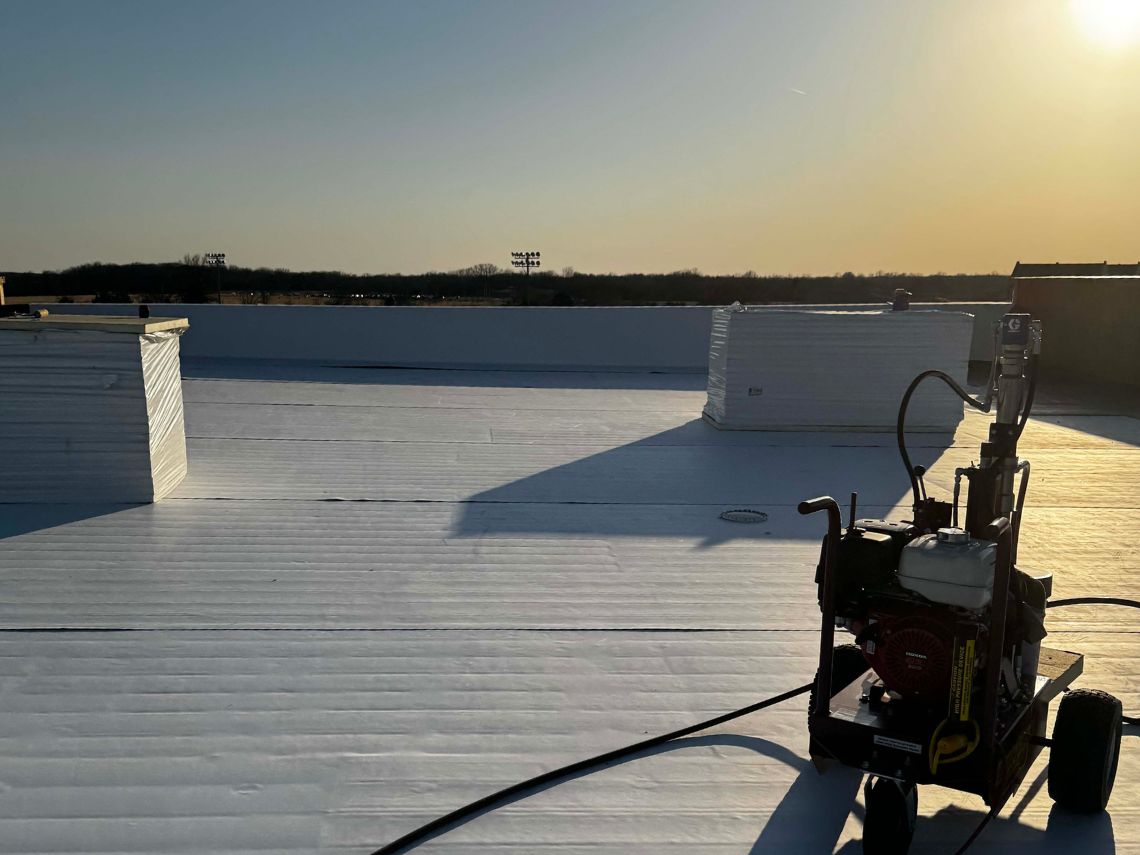
- Protective Coatings: For an older TPO roof showing widespread surface wear or crazing but not yet failing, applying a restorative roof coating can be a great option. These coatings restore reflectivity, protect the membrane from further UV damage, and can add years of service life while delaying a full replacement.
Making the Call: Repair vs. Replacement for Your TPO Roof
A common question is whether to keep repairing a TPO roof or invest in a full replacement. Here are some guidelines to help you decide.
Repair usually makes sense if:
- Your roof is under 15 years old.
- The damage is localized (e.g., small punctures, limited seam issues in one area).
- An inspection confirms the underlying insulation and roof deck are still dry and in good condition.
Replacement may be the better long-term option if:
- Your roof is over 20 years old and nearing the end of its warrantied lifespan.
- Leaks are widespread, and previous repairs are no longer holding.
- The membrane has become brittle and is cracking across large sections.
- An infrared scan reveals that water has infiltrated and saturated the insulation layer.
Think of repairs as “buying time.” A well-executed repair might extend your roof’s life by 5–10 years, but eventually, every TPO system reaches the end of its functional service life.
How Maintenance Helps You Avoid Costly TPO Repairs
Most expensive roof repairs can be traced back to a lack of proactive care. Here’s how a simple maintenance plan can significantly reduce your repair needs:
- Schedule Regular Inspections: Have a professional check your roof twice a year (spring and fall) to catch small issues before they grow.
- Perform Post-Storm Checks: Hail, high winds, or falling debris can cause damage even if leaks don’t appear right away.
- Keep Drains Clear: Ensure gutters, scuppers, and drains are free of leaves and debris. Standing water is a primary enemy of flat roofs.
- Limit and Manage Foot Traffic: Install designated walkway pads in high-traffic areas to protect the membrane from punctures and excess wear.
Preventive care is far less expensive and disruptive than dealing with an emergency leak.
Why You Should Hire a Professional for TPO Repairs
Some building owners wonder if small repairs can be handled by an in-house maintenance team. While cleaning drains is simple enough, most TPO repairs require specialized tools and training. Heat-welding, in particular, must be done at the correct temperature and speed to create a permanent bond.
Hiring a professional commercial roofing contractor ensures:
- An accurate diagnosis of the root problem, not just the symptom.
- The use of manufacturer-approved, compatible materials.
- Repairs are performed correctly to maintain any existing warranty coverage.
- Workmanship that lasts, giving you confidence in the solution.
Protect Your TPO Roofing Investment
TPO is a durable and energy-efficient system, but like every roof, it requires attention over its lifespan. With timely, professional repairs—from small patches to seam rewelding—you can often extend its service life by years, delaying a costly replacement and protecting your bottom line.
If your TPO roof is showing signs of wear, don’t wait for a leak to cause major damage inside your building. A professional inspection and targeted repairs may be all you need to keep your system performing reliably.
Frequently Asked Questions about TPO Roof Repair
1. Can you patch a TPO roof yourself?
While DIY patch kits are available, they are not recommended for commercial properties. A professional repair involves properly cleaning, priming, and heat-welding the patch at a specific temperature to ensure a permanent, watertight bond that won’t fail in a few months.
2. How much does a typical TPO repair cost?
Costs vary widely depending on the issue. A simple puncture repair might cost a few hundred dollars ($200–$600), while more complex flashing repairs around a large HVAC unit could be over a thousand ($500–$1,500+). The cost is almost always a small fraction of a full replacement.
3. My TPO roof is turning gray and looks “chalky.” Does it need to be replaced?
This “chalking” or surface erosion is a sign of UV degradation over many years. It doesn’t necessarily mean the roof is failing, but it does indicate the membrane is aging. If there are no leaks, a restorative coating could be a cost-effective solution to protect the remaining membrane and extend its life.
4. Can you repair a TPO roof in wet or cold weather?
It is very difficult. For a heat weld to be effective, the membrane surface must be completely clean and dry. Welding in cold temperatures is also challenging, as it requires special techniques to bring the material to the correct temperature for a durable bond. It’s always best to perform repairs in fair weather if possible.
5. How long does a TPO repair last?
When performed correctly by a qualified professional using proper heat-welding techniques, a TPO repair is permanent. The patch essentially becomes a monolithic part of the existing roof, and you can expect it to last for the remaining life of the roofing system.