Key Takeaways
- Not all metal roofs are equal. Standing seam systems use concealed fasteners for fewer leak points and lower maintenance, while economical PBR (R-panel) roofs rely on thousands of exposed fasteners that require closer attention as they age.
- Metal roofs leak for predictable reasons. Fastener back-out, worn neoprene washers, thermal expansion, failed pipe flashings, and improper past repairs are common culprits that signal a roof nearing the end of its service life.
- You have three options when a metal roof fails. Continue targeted repairs on younger roofs, apply a coating to a sound and largely dry roof, or install a membrane retrofit system over the existing metal for long-term performance.
- Retrofits deliver strong long-term value. A membrane-over-metal system adds insulation, improves weather protection, and often qualifies for 20-year No Dollar Limit warranties—without the cost and disruption of a full tear-off.
- Professional evaluation drives smart decisions. An experienced commercial roofing contractor determines whether repairs, restoration, or a retrofit provides the best long-term value for your building and budget.
Metal roofing has been a trusted solution for commercial buildings for decades. From manufacturing facilities and warehouses to schools and agricultural buildings, metal roofs offer durability, long service life, and low maintenance when properly installed.
But not all commercial metal roofs are the same.
The type of metal roofing system you choose affects everything from maintenance requirements and energy efficiency to long-term ownership costs.
Whether you’re constructing a new building, replacing an existing roof, or evaluating options for an aging metal roof, understanding the different systems available will help you make an informed decision.
Why Commercial Buildings Use Metal Roofing
Commercial metal roofs have become one of the most popular roofing systems because they offer several advantages over traditional roofing materials.
Benefits include:
- Long service life
- Excellent wind resistance
- Low maintenance requirements
- Fire resistance
- Energy efficiency
- Recyclable materials
- Attractive appearance
When properly maintained, a quality metal roof can provide decades of dependable service.
Standing Seam Metal Roofs
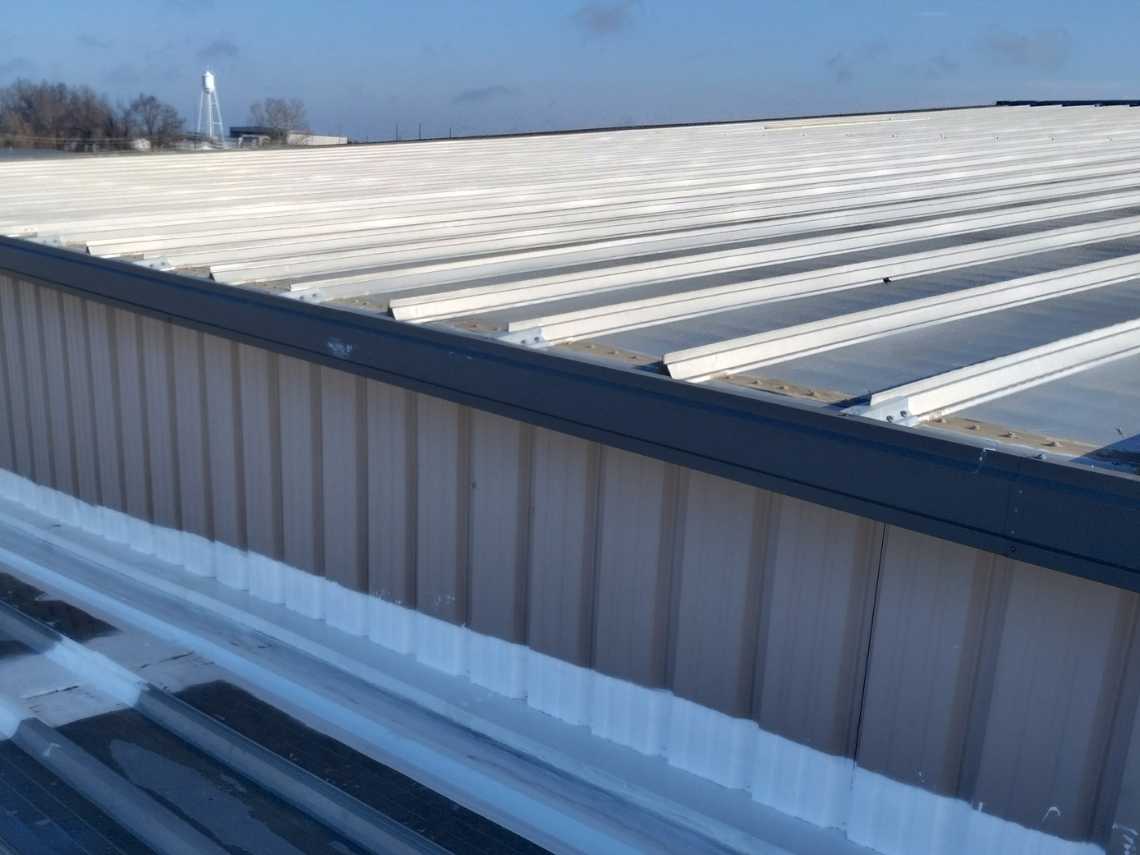
Standing seam roofing is considered one of the highest-performing metal roofing systems available.
Unlike exposed-fastener roofs, standing seam systems use concealed clips and fasteners beneath the panels. This design allows the roof to expand and contract with changing temperatures while reducing potential leak points.
Standing seam roofs are commonly found on:
- Schools
- Office buildings
- Municipal facilities
- Churches
- Healthcare buildings
While standing seam roofs have a higher initial cost, they generally require less maintenance over their lifespan.
PBR (R-Panel) Metal Roofs
PBR panels, sometimes called R-panels, are one of the most common commercial roofing systems used today.
These roofs are economical, durable, and widely used on:
- Warehouses
- Manufacturing facilities
- Agricultural buildings
- Storage facilities
- Commercial shops
Unlike standing seam roofs, PBR systems use exposed fasteners.
While this keeps installation costs lower, it also creates thousands of potential leak points over time as fasteners loosen, washers deteriorate, and thermal movement occurs.
That doesn’t make PBR a poor roofing system—it simply means maintenance becomes increasingly important as the roof ages.
Why Metal Roofs Eventually Develop Leaks
Every roofing system reaches a point where repairs become more frequent.
Metal roofs are no exception.
Common causes of leaks include:
- Fastener back-out
- Worn neoprene washers
- Thermal expansion and contraction
- Failed pipe flashings
- Skylight deterioration
- Panel laps
- Improper previous repairs
Many building owners spend years chasing individual leaks without realizing the entire roofing system is nearing the end of its useful life.
At that point, continuing to repair isolated leaks often becomes less economical than investing in a long-term solution.
Your Options When a Metal Roof Begins to Fail
If your commercial metal roof has started leaking, there are generally three options.
Continue Making Repairs
If leaks are isolated and the roof remains in good condition, repairs may be the most economical choice.
Replacing a few flashings or tightening fasteners is often all that’s needed on younger roofs.
Install a Roof Coating
Roof coatings can be an excellent option when the existing roof is still structurally sound and largely leak-free.
A coating can extend the life of a roof that still has years of service remaining.
However, coatings are not designed to rebuild failing roofing systems.
If the roof has multiple leaks, saturated insulation, significant panel movement, or recurring problems, a coating may simply delay larger repairs instead of solving them.
Install a New Membrane Roofing System Over the Existing Metal Roof
For many aging commercial metal roofs, this has become one of the best long-term solutions.
Rather than removing the existing roof, the metal roof remains in place as the structural substrate.
The panel flutes are filled with insulation cut to match the roof profile. Additional rigid insulation or a high-density cover board is installed to create a smooth, continuous surface before a fully adhered membrane roofing system is installed.
The result is a completely new commercial roofing system with improved insulation, enhanced weather protection, and long-term performance.
Many of these systems qualify for 20-year No Dollar Limit manufacturer warranties, giving building owners long-term protection and peace of mind while avoiding the cost and disruption of a complete tear-off.
Is Metal Roofing Right for Every Building?
Not necessarily.
Choosing the right roofing system depends on several factors, including:
- Building use
- Roof slope
- Energy efficiency goals
- Budget
- Existing roof condition
- Long-term ownership plans
Sometimes a new metal roof is the right answer.
Other times, installing a membrane roofing system over an existing metal roof provides better long-term value.
Every building is different, which is why a professional evaluation is so important.
Work with a Commercial Roofing Specialist
Commercial metal roofing is very different from residential roofing.
Proper installation requires an understanding of:
- Wind uplift requirements
- Expansion and contraction
- Manufacturer installation standards
- Flashing details
- Drainage design
- Warranty requirements
Choosing an experienced commercial roofing contractor helps ensure your roof performs as designed and qualifies for the strongest manufacturer warranties available.
An experienced contractor can also help you determine whether your roof is a good candidate for repairs, restoration, or a new membrane roofing system. The goal is not to sell the most expensive option—it’s to recommend the solution that provides the best long-term value for your building.
Final Thoughts
Commercial metal roofing remains one of the most durable and dependable roofing options available.
Whether you’re installing a new roof or deciding what to do with an aging one, understanding your options can save thousands of dollars over the life of your building.
At All Seasons Roofing, we help commercial building owners evaluate their existing roofs and recommend the solution that provides the best long-term value—not simply the quickest fix.
Whether your building needs repairs, restoration, or a new membrane roofing system installed over an existing metal roof, our team can help you make an informed decision with confidence.
Contact All Seasons Roofing today to schedule a commercial roof evaluation and explore the best roofing solution for your building.

Frequently Asked Questions
What is the difference between standing seam and PBR (R-panel) metal roofs?
The main difference is how the panels are fastened. Standing seam systems use concealed clips and fasteners beneath the panels, which reduces leak points and allows the roof to expand and contract naturally. PBR (R-panel) systems use exposed fasteners, which lowers installation costs but creates thousands of potential leak points that require more attention as the roof ages. Standing seam roofs cost more upfront but generally need less maintenance over their lifespan.
Why do commercial metal roofs eventually leak?
Metal roofs leak for predictable reasons as they age, including fastener back-out, worn neoprene washers, thermal expansion and contraction, failed pipe flashings, skylight deterioration, issues at panel laps, and improper previous repairs. Many owners chase isolated leaks for years without realizing the entire system is nearing the end of its useful life.
Should I repair, coat, or retrofit my aging metal roof?
It depends on the roof’s condition. Isolated leaks on a younger, structurally sound roof are often best handled with targeted repairs. A coating works well when the roof is still sound and largely leak-free and you want to extend its remaining service life. If the roof has multiple leaks, saturated insulation, significant panel movement, or recurring problems, a membrane retrofit over the existing metal typically delivers the best long-term value.
What is a membrane-over-metal retrofit and how does it work?
A retrofit keeps the existing metal roof in place as a structural substrate. The panel flutes are filled with insulation cut to match the roof profile, then rigid insulation or a high-density cover board is added to create a smooth, continuous surface. A fully adhered membrane roofing system is installed over the top, resulting in a completely new roofing assembly with improved insulation, enhanced weather protection, and long-term performance—without the cost and disruption of a full tear-off.
Do these roofing systems come with a warranty?
Yes. Many membrane retrofit systems qualify for 20-year No Dollar Limit (NDL) manufacturer warranties when installed by a certified commercial roofing contractor. An NDL warranty covers both material defects and approved workmanship without a monetary cap on covered repairs, giving building owners long-term protection and predictability.
When is a roof coating not a good idea for a metal roof?
A coating is a poor choice when the roof already has multiple active leaks, saturated insulation, significant panel movement, extensive corrosion, or a history of recurring problems. In those cases, a coating tends to mask underlying issues and delay larger repairs rather than solve them. A retrofit or targeted replacement usually protects the building better and costs less over time.
Why should I hire a commercial roofing specialist instead of a general or residential roofer?
Commercial metal roofing is very different from residential roofing. Proper installation requires an understanding of wind uplift requirements, expansion and contraction, manufacturer installation standards, flashing details, drainage design, and warranty requirements. An experienced commercial contractor ensures your roof performs as designed, qualifies for the strongest available warranties, and helps you choose the solution with the best long-term value.