Key Takeaways
- Extend Roof Lifespan: A proactive maintenance plan can extend your roof’s service life by 30% to 100%, helping you avoid premature replacement.
- Prevent Costly Repairs: Regularly scheduled maintenance costs a fraction of emergency repairs, saving you from unexpected expenses and operational downtime.
- Maintain Warranty Compliance: Many commercial roofing warranties require proof of regular maintenance. A plan ensures your coverage remains valid.
- Improve Safety and Protect Assets: A well-maintained roof prevents leaks that can lead to slip hazards, inventory damage, and mold growth, protecting both your people and your property.
Why a Roof Maintenance Plan is a Smart Investment
Your commercial roof is one of the most valuable assets protecting your building, your operations, and your tenants. Yet, it is also one of the easiest systems to overlook—until a serious problem appears. Implementing a preventive roof maintenance plan is one of the smartest, most cost-effective ways to extend your roof’s lifespan, protect your investment, and avoid expensive emergency repairs.
Instead of waiting for leaks or damage to disrupt your business, a proactive approach keeps you ahead of problems through scheduled inspections and timely repairs. Let’s explore why this matters and how it saves you time, money, and stress in the long run.
Top Benefits of a Preventive Roof Maintenance Plan
The benefits of a professional maintenance program go far beyond surface-level fixes—they add tangible, long-term value to your entire property.
Here’s what you can expect:
- Increase the Lifespan of Your Commercial Roof: According to the National Roofing Contractors Association (NRCA), regular inspections and maintenance can extend your roof’s life significantly.
- Prevent Costly Emergency Repairs: Addressing small issues before they escalate means fewer surprises, less operational downtime, and lower overall repair costs.
- Stay Informed About Your Roof’s Condition: Ongoing documentation ensures you always know the state of your most critical asset, allowing for better long-term budgeting.
- Reduce Hidden Costs of Disruption: A well-maintained roof helps you avoid unexpected closures, lost productivity, and tenant dissatisfaction that come with leaks and major repairs.
- Improve Building Safety: Timely maintenance reduces the risk of slip-and-fall hazards from leaks or ponding water, creating a safer environment for employees and customers.
- Protect Your Interior and Assets: A healthy roof is your first line of defense against water infiltration, mold growth, and damage to ceilings, equipment, and inventory.
How to Prolong the Life of Your Commercial Roof
Maximizing your roof’s lifespan comes down to a consistent strategy of routine inspections, prompt repairs, and proper care.
Here’s how to make that happen:
- Schedule Biannual Inspections: Spring and fall are the ideal times to have a professional assess weather-related wear and prepare your roof for the upcoming season.
- Inspect After Major Storms: High winds, hail, or heavy snow can cause hidden damage that may worsen over time if left unaddressed.
- Repair All Issues Promptly: Even small punctures or separated seams can allow significant water intrusion if ignored.
- Maintain Proper Drainage: Standing water accelerates material deterioration. Ensure all drains, gutters, and scuppers are clear of debris.
- Keep Your Roof Surface Clean: Remove debris, leaves, and dirt that can clog drains and damage the roof membrane.
What to Expect from a Professional Maintenance Program
A well-designed maintenance plan is comprehensive and data-driven. When you enroll, your contractor should begin with a detailed, on-site inspection to establish a baseline for your roof’s current condition.
This initial inspection typically results in a written condition report, which includes:
- Photos and notes documenting the roof’s existing state.
- A prioritized list of any recommended repairs.
- Clear pricing for each repair option.
This information allows you to create a strategic, long-term plan to manage your roofing assets effectively. After any initial repairs are completed, your contractor will schedule regular follow-up inspections tailored to your roof’s age, condition, and material type.
Essential Tasks in a Commercial Roof Maintenance Plan
A quality maintenance plan covers more than just looking around. It includes ongoing tasks designed to protect your structure and your business operations.
Your maintenance checklist should include:
- Visual Inspections: Identifying cracks, blisters, punctures, or loose flashing.
- Gutter and Downspout Cleaning: Maintaining proper water flow to prevent ponding.
- Debris Removal: Clearing the roof surface to prevent blockages and surface wear.
- Leak Detection and Repair: Finding and fixing potential leaks before water causes interior damage.
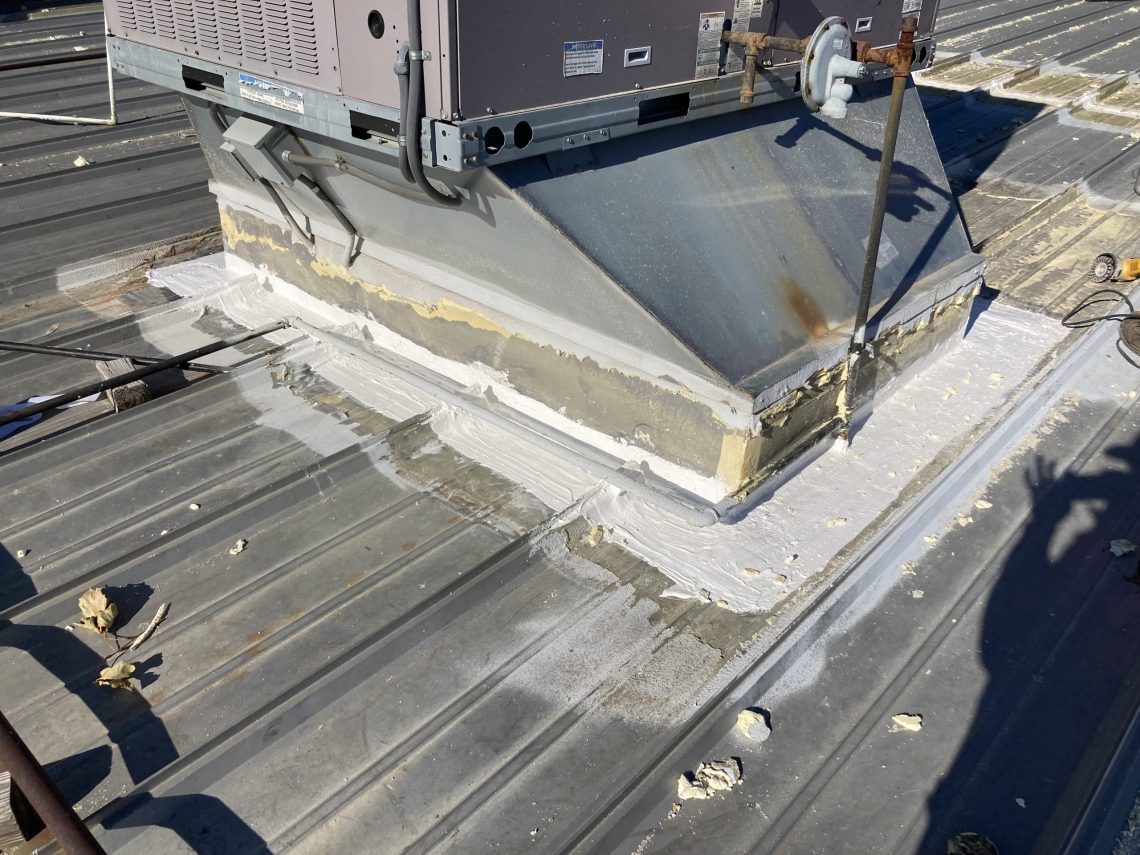
- Sealant and Flashing Checks: Inspecting vulnerable areas around HVAC units, skylights, and vents.
- Ventilation Inspections: Ensuring proper airflow to prevent moisture buildup and condensation.
By staying ahead of these items, you can preserve your roof’s performance and ensure a safe, watertight building envelope.
The Measurable ROI of Regular Roof Maintenance
A maintenance plan is not just an expense; it is a necessity for protecting your investment. The financial benefits are clear and well-documented.
Studies show that:
- Scheduled maintenance costs roughly one-third of what emergency repairs cost.
- Preventive maintenance can extend a roof’s life by 30% to 100%.
These numbers underscore why proactive care always wins over reactive repairs. By participating in a maintenance program, you are also ensuring compliance with warranty terms—a critical safeguard that protects you from unexpected liability.
In short, regular maintenance saves money, preserves building integrity, and supports uninterrupted operations—a win for both your bottom line and your peace of mind.
Frequently Asked Questions about Roof Maintenance Plans
1. How much does a commercial roof maintenance plan cost?
The cost varies based on the size, age, and accessibility of your roof. However, a maintenance plan typically costs only a small fraction (often less than 1-2%) of the roof’s total replacement value annually, making it a high-return investment.
2. My roof is brand new, do I still need a maintenance plan?
Absolutely. Maintenance is crucial for new roofs. It helps identify any potential installation issues early, ensures proper drainage from the start, and is often required to keep your manufacturer’s warranty valid.
3. What happens if you find a major issue during an inspection?
If a significant problem is discovered, your roofing contractor will document it with photos and provide you with a detailed report outlining the issue, its urgency, and a clear proposal with options for repair. This allows you to make an informed decision without pressure.
4. Can my in-house facility team handle roof maintenance?
While your team can handle basic tasks like clearing debris, a professional roofing contractor has the specialized training to identify subtle signs of stress, material degradation, and improper flashing that an untrained eye would miss. They also have the right safety equipment for working at heights.
5. How does a maintenance plan help with budgeting?
Regular inspection reports give you a clear, long-term view of your roof’s condition and expected lifespan. This allows you to transition from reactive, unpredictable repair costs to proactive, planned capital expenditures, making annual budgeting far more accurate.