Key Takeaways
- Commercial flat roofing is a specialized trade. It requires different materials, installation methods, drainage design, and code compliance than residential roofing.
- The wrong contractor can create major long-term costs. Improper installation can lead to leaks, ponding water, warranty issues, and premature roof failure.
- Commercial roofing systems depend on trained crews and approved assemblies. Membrane welding, insulation attachment, flashing details, and edge securement must be installed correctly.
- Commercial roof warranties are more demanding. Many manufacturer-backed warranties require certified installers, approved details, and field inspections.
- Choosing a true commercial roofing contractor protects your asset. The right partner helps reduce risk, improve performance, and support long-term roof life.
At first glance, roofing can seem like one industry. One contractor installs shingles on homes. Another installs membrane systems on warehouses, retail centers, and industrial buildings. To many property owners, it can look like the same trade on a larger scale.
It is not.
Commercial flat roofing is a different discipline. It uses different systems, different materials, different safety protocols, and different performance standards. It also carries far more risk when installation is done incorrectly.
If you own or manage a commercial building, understanding the difference between a residential roofer and a true commercial roofing contractor can protect your budget, your warranty, and your building operations. This guide explains why commercial flat roof installation should always be handled by a contractor with commercial roofing expertise.
Commercial Flat Roofing Requires Specialized Roofing Systems
Commercial roofing systems are engineered assemblies, not simple surface products. A flat or low-slope roof is designed as a complete system in which every layer affects performance.
A commercial roof assembly may include:
- Vapor barriers
- Multiple layers of rigid insulation
- Tapered insulation for drainage
- Cover boards
- Fully adhered or mechanically attached membranes
- Heat-welded seams
- Engineered edge metal systems
- Manufacturer-approved flashing details
These components must work together. If one part is installed incorrectly, the entire roofing system can suffer.
Residential roofing is usually centered on steep-slope asphalt shingle systems. Those roofs are built to shed water quickly. Commercial flat roofs must manage waterproofing differently. They depend on membrane integrity, controlled drainage, insulation continuity, and proper flashing details. That requires a different skill set.
Commercial Roofing Contractors Understand Building Codes and Performance Standards
Commercial roofs must meet stricter standards than residential roofs. These standards affect installation, materials, energy performance, fire resistance, and wind uplift protection.
Commercial roofing contractors work within requirements such as:
- Manufacturer specifications
- Wind uplift ratings
- Fire classifications
- Energy code compliance
- Drainage requirements
- Edge metal securement standards
These are not minor details. They directly affect whether the roof performs as intended and whether the system qualifies for a manufacturer warranty.
A roofer who mainly installs residential shingles may not be familiar with the commercial requirements for membrane attachment, insulation layering, or positive drainage design. That knowledge gap can create expensive issues later.
In-House Commercial Roofing Crews Deliver Better Quality Control
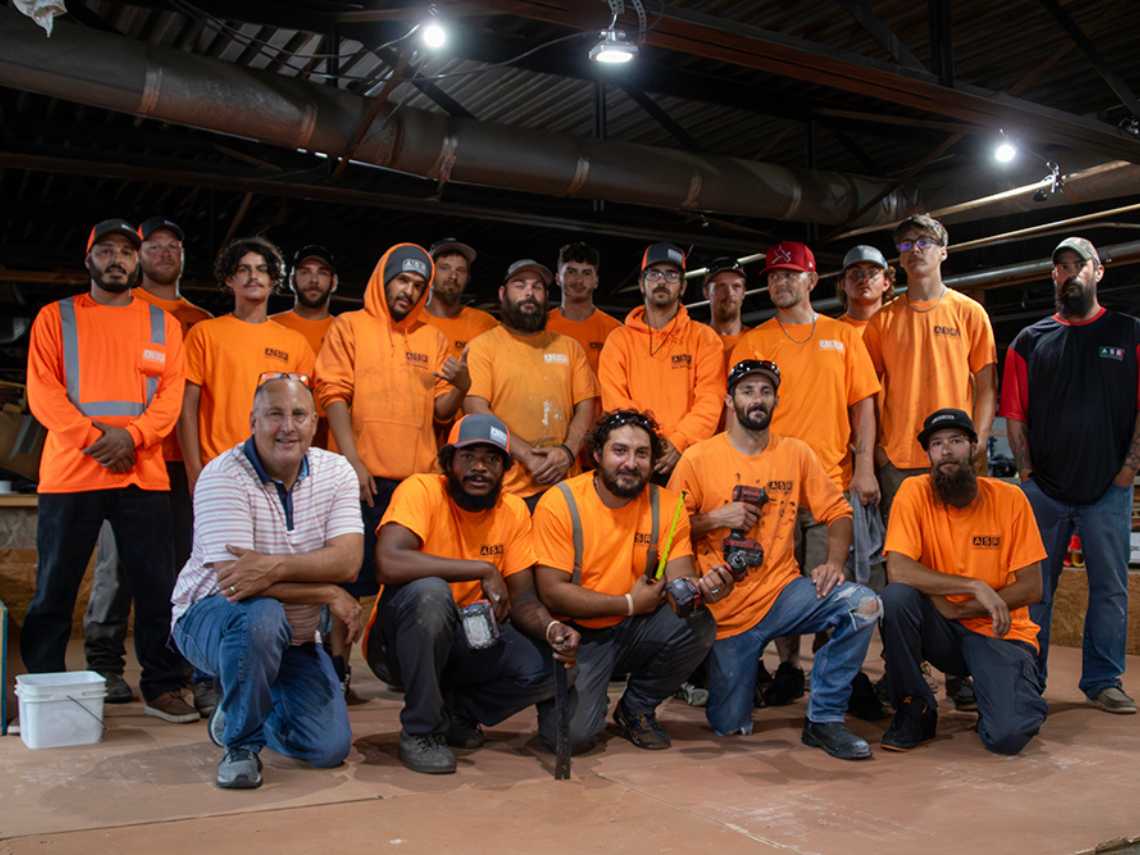
One of the biggest differences between commercial roofing and residential roofing is workforce structure. Established commercial roofing contractors often rely on dedicated in-house crews trained specifically for commercial systems.
That matters because in-house crews typically:
- Train together under one quality standard
- Follow consistent installation procedures
- Work under direct company supervision
- Maintain manufacturer certification requirements
- Understand commercial safety protocols
Commercial flat roof systems leave less room for error. A small mistake in seam welding, flashing, or membrane attachment can cause long-term leaks and hidden moisture damage.
Many residential roofing companies depend heavily on subcontracted labor. That model can work in high-volume shingle replacement, but it often creates inconsistency on technical commercial work. Crews may use different methods, have mixed experience levels, or lack training in commercial membrane systems.
For commercial properties, consistency is critical.
Commercial Roof Installation Requires Specialized Training
Commercial roofing systems are not installed the same way as residential roofs are installed. Each membrane system has its own requirements, and proper installation takes hands-on training.
Commercial roofing crews are trained in areas such as:
- TPO membrane welding
- PVC membrane detailing
- EPDM adhesion systems
- Vapor barrier installation
- Cover board placement
- Tapered insulation layouts
- Roof drainage design
- Manufacturer-approved flashing methods
This training is ongoing. Many manufacturers require certification and continuing education before allowing contractors to install systems that qualify for full warranty coverage.
Improper seam welding can open the door to leaks. Incorrect insulation attachment can reduce uplift resistance. Poor flashing details can compromise the most vulnerable areas of the roof. These are not cosmetic defects. They are system failures.
Commercial Flat Roof Drainage Design Is Critical
Drainage is one of the most important parts of commercial flat roof performance. Unlike steep-slope residential roofs, flat roofs do not naturally move water off the building without design support.
Commercial roof drainage may require:
- Tapered insulation systems
- Internal roof drains
- Scuppers
- Crickets behind rooftop units
- Positive slope planning
If drainage is not designed and installed properly, ponding water can develop. Standing water adds stress to the roofing system and can lead to:
- Premature membrane wear
- Increased structural load
- Insulation damage
- Accelerated roof deterioration
- Greater leak risk
Improper drainage is one of the most common causes of early flat roof failure. Commercial roofing contractors understand how to design and install drainage systems that support long-term performance. Residential roofers usually do not work with these systems every day.
Commercial Roof Warranties Are Not the Same as Residential Warranties
Commercial roof warranties are more complex and more valuable than standard residential workmanship coverage. Many commercial systems can qualify for:
- 15-year manufacturer warranties
- 20-year No Dollar Limit (NDL) warranties
- 25-year or longer manufacturer-backed coverage
These warranties are usually available only through approved commercial roofing contractors.
Manufacturers often require:
- Certified installers
- Approved roof assemblies
- Exact installation details
- Field inspection before issuing the warranty
In many cases, the finished roof is reviewed by a manufacturer representative. They inspect seam quality, flashing details, attachment patterns, and drainage compliance.
That process gives building owners an added layer of protection. It is not only the contractor saying the roof was installed correctly. It is a third-party manufacturer confirming the system meets its standards.
A residential roofer may not have access to these certifications or warranty programs. That can leave a building owner with limited protection and greater financial risk.
Commercial Roof Repair Work Also Requires System Knowledge
The differences do not stop at installation. Commercial roof repairs also demand system-specific knowledge.
Repairing a commercial roofing system may involve:
- TPO membrane patching
- PVC seam repair
- EPDM adhesion correction
- BUR repair methods
- Metal retrofit integration
- Flashing replacement at penetrations and walls
Each repair must be compatible with the existing roofing system. If not, the repair can create more damage than it solves.
Incorrect commercial roof repairs can:
- Void manufacturer warranties
- Trap moisture in the assembly
- Reduce membrane adhesion
- Create hidden long-term failures
- Weaken the overall roofing system
True commercial roofing contractors understand how the entire roof assembly works. They follow approved repair methods that protect long-term performance.
Commercial Roofing Safety Standards Are More Demanding
Commercial roofing projects often involve larger buildings, more rooftop equipment, more access challenges, and greater fall exposure. Safety planning is more involved than on most residential jobs.
Commercial roofing contractors typically maintain:
- Fall protection plans
- Safety training programs
- OSHA documentation
- Controlled roof access procedures
- Equipment-specific safety protocols
This matters for both worker safety and owner liability. An experienced commercial contractor understands how to work on occupied buildings while protecting employees, tenants, customers, and operations below.
Hiring a contractor without commercial safety systems in place can expose a property owner to unnecessary risk.
The Lowest Bid Can Create the Highest Long-Term Cost
Commercial roofing projects are major capital investments. It can be tempting to choose the lowest proposal, especially when budgets are tight. But on a commercial flat roof, the cheapest price can become the most expensive decision.
Improper installation may lead to:
- Recurring leaks
- Wet insulation
- Energy loss
- Interior damage
- Tenant disruption
- Premature roof replacement
- Warranty disputes
A properly installed commercial roof is designed to protect a building for decades. That level of performance depends on training, supervision, manufacturer compliance, and accountability.
When evaluating contractors, building owners should look beyond upfront price and focus on long-term value.
Why Commercial Roofing Specialists Protect Your Building Better
A true commercial roofing contractor brings more than labor to the job. They bring system knowledge, quality control, compliance, and long-term service support.
Commercial roofing specialists typically provide:
- In-house trained crews
- Manufacturer certifications
- Access to commercial-grade warranty programs
- Expertise in flat roofing systems
- Drainage and insulation knowledge
- Ongoing service and maintenance support
That expertise helps protect your building envelope, reduce repair costs, and support a longer roof lifespan.
Long-Term Commercial Roof Service Matters
Commercial roofs are not one-time projects. They require maintenance, inspections, documentation, and repair support over time. That is why the contractor relationship matters long after installation is complete.
Building owners should choose a commercial roofing partner that:
- Understands the building’s roof history
- Maintains warranty records
- Provides ongoing inspection support
- Responds to service needs
- Knows the installed roofing system
Commercial roofing should be approached as a long-term partnership. That is one more reason why a high-volume residential roofing model often does not fit the needs of a commercial property.

Final Thoughts
Commercial roofing is not residential roofing on a larger scale.
The systems are different. The training is different. The warranties are different. The risks are different.
If you are protecting a warehouse, office building, retail center, school, or industrial facility, commercial roofing experience matters. Choosing a qualified commercial roofing contractor helps reduce risk, improve roof performance, and protect your investment over the long term.
At All Seasons Roofing, we specialize in commercial and industrial roofing systems. Our team understands the technical standards, manufacturer requirements, and long-term service expectations that commercial buildings demand. We use trained crews, approved installation methods, and durable roofing solutions designed for long-term performance.
Contact All Seasons Roofing today to schedule a consultation and learn how we can help protect your building with a reliable commercial roofing system.
Frequently Asked Questions
Can a residential roofer install a commercial flat roof?
In some cases, they may be legally allowed to bid or perform the work, but that does not mean they are qualified. Commercial flat roofs require specialized knowledge of membranes, drainage, code compliance, and manufacturer-approved assemblies.
What is the biggest risk of using a residential roofer on a commercial roof?
The biggest risk is long-term system failure. Poor installation can lead to leaks, ponding water, wet insulation, warranty denial, and premature roof replacement.
Why are commercial roof warranties harder to get?
Commercial manufacturer warranties usually require certified installers, approved materials, exact detailing, and field inspections. These requirements help ensure the roof meets performance standards.
Do commercial roofing systems require different materials than residential roofs?
Yes. Commercial roofs often use TPO, PVC, EPDM, cover boards, tapered insulation, vapor barriers, and engineered edge metal systems. These materials are very different from asphalt shingles and residential underlayment.
Why is drainage so important on a commercial flat roof?
Flat roofs do not shed water the same way steep roofs do. If drainage is not designed correctly, ponding water can damage the membrane, add structural stress, and shorten the roof’s lifespan.
Are commercial roofing crews trained differently than residential crews?
Yes. Commercial crews are trained on membrane welding, insulation systems, flashing details, drainage layouts, and safety procedures specific to flat and low-slope roofing systems.
How do I choose the right commercial roofing contractor?
Look for a contractor with commercial project experience, trained in-house crews, manufacturer certifications, strong warranty access, documented safety standards, and long-term service support.